Quick Summary:
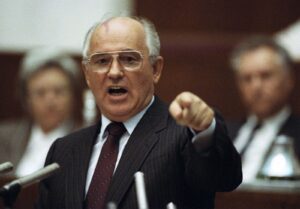
In 1985 Gorbachev is elected as the head of the Soviet Union. He quickly implements two major policies which are very different than the policies of previous USSR leaders: Glasnost which means “openness” and perestroika which means “restructuring”. Gorbachev would also in time abandon the Brezhnev Doctrine of previous Soviet leaders. These policy changes led to more political, social, and economic freedoms for citizens.
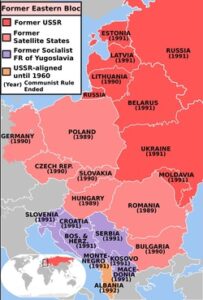
With these newfound freedoms, people immediately began to openly resist and protest soviet rule. Across Eastern Europe there began a group of revolutions collectively referred to as the Velvet Revolutions. Here I focus on Poland, Czechoslovakia, East Germany, Hungary and Ukraine, though people across Eastern Europe were resisting and revolting during the late 1980s and early 1990s. These revolutions would come to a head in 1989 and 1990 when old communist regimes were toppled and new liberal democracies were formed in their place.
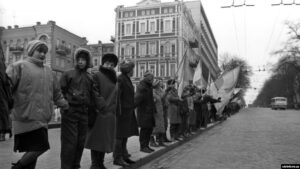
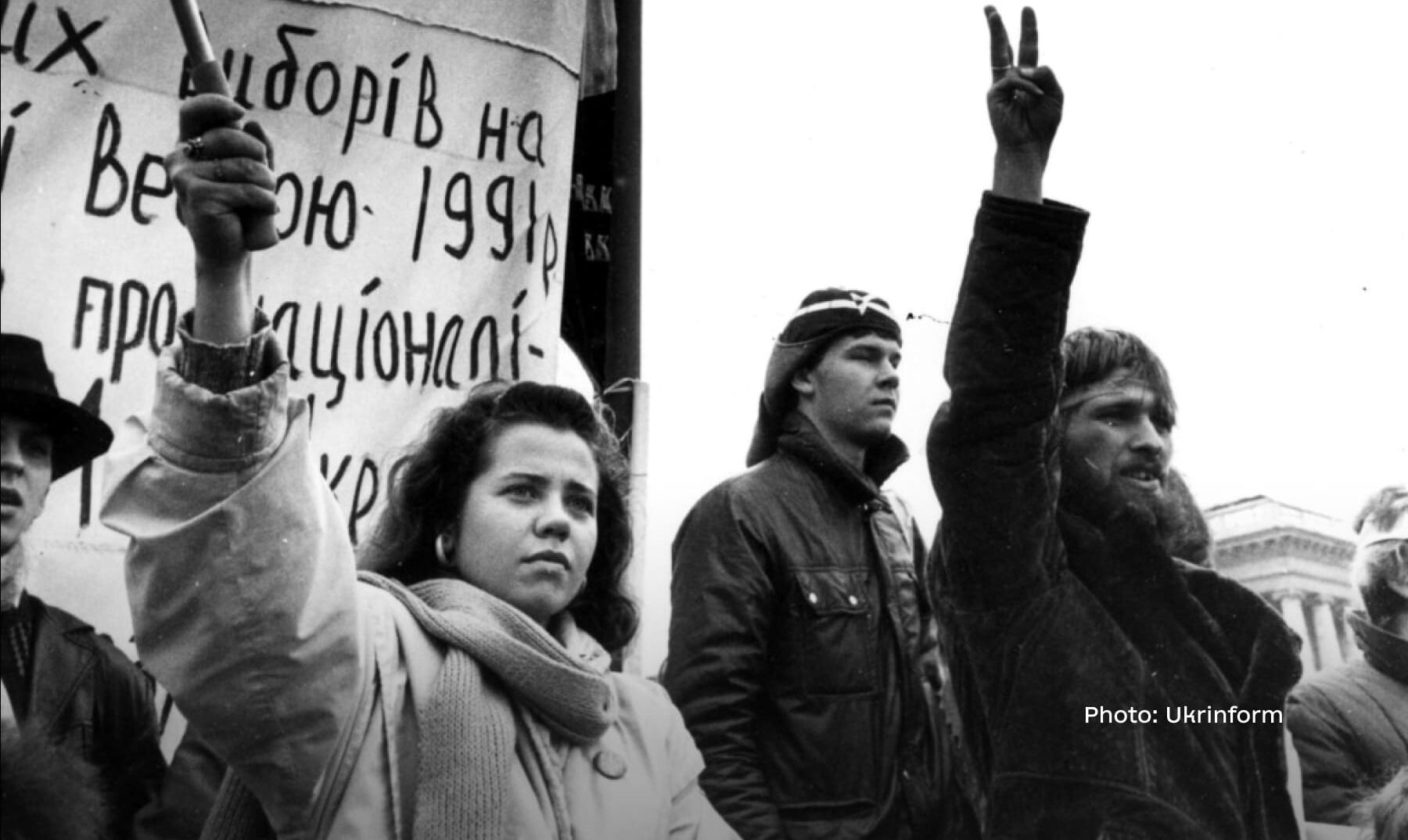
In Ukraine specifically, the Donets Basin miner strikes served as inspiration for the students who would lead the Revolution on Granite. The 1990 March election for the Ukrainian Parliament was seen as corrupt by the students and thus began to motivate resistance. By October of the same year, facing a possible signing of the new Union Treaty with the USSR, students knew they had to act. Thus on October 2nd, 1990 the Revolution on Granite Began.